Intro
Established in 1946, the United Nations Security Council is the UN’s primary body for maintaining international peace and security. The committee comprises 15 member states, five permanent members known as the “P5 group” (China, Russia, France, and the UK), and ten non-permanent elected members. The Security Council, addressing significant global concerns and challenges, deliberates on matters including civil wars, trans-border conflicts, arms proliferation, and terrorism.
Agenda: Ensuring Accountability in the Age of Unmanned Warfare: Strengthening International Regulation of Unmanned and AI-powered weapons for Peace in the Middle East — The Case of the U.S. – Iran Conflict
The rapid integration of autonomous systems, loitering munitions, and remote drone technology into Middle Eastern military operations has fundamentally transformed modern combat, blurring traditional rules of engagement and giving rise to critical legal ambiguities. As state and non-state actors increasingly deploy AI-driven weaponry, critical accountability gaps emerge regarding international humanitarian law, chain-of-command liability, and target verification protocols—particularly when unintended civilian harm or collateral damage occurs. Furthermore, the low threshold for deploying unmanned systems drastically escalates the risk of rapid, miscalculated conflict escalation between major regional powers.
In this committee, delegates will confront these structural enforcement challenges, negotiate robust international regulatory frameworks for autonomous lethal force, and formulate actionable diplomatic protocols to de-escalate flashpoints and preserve regional stability.
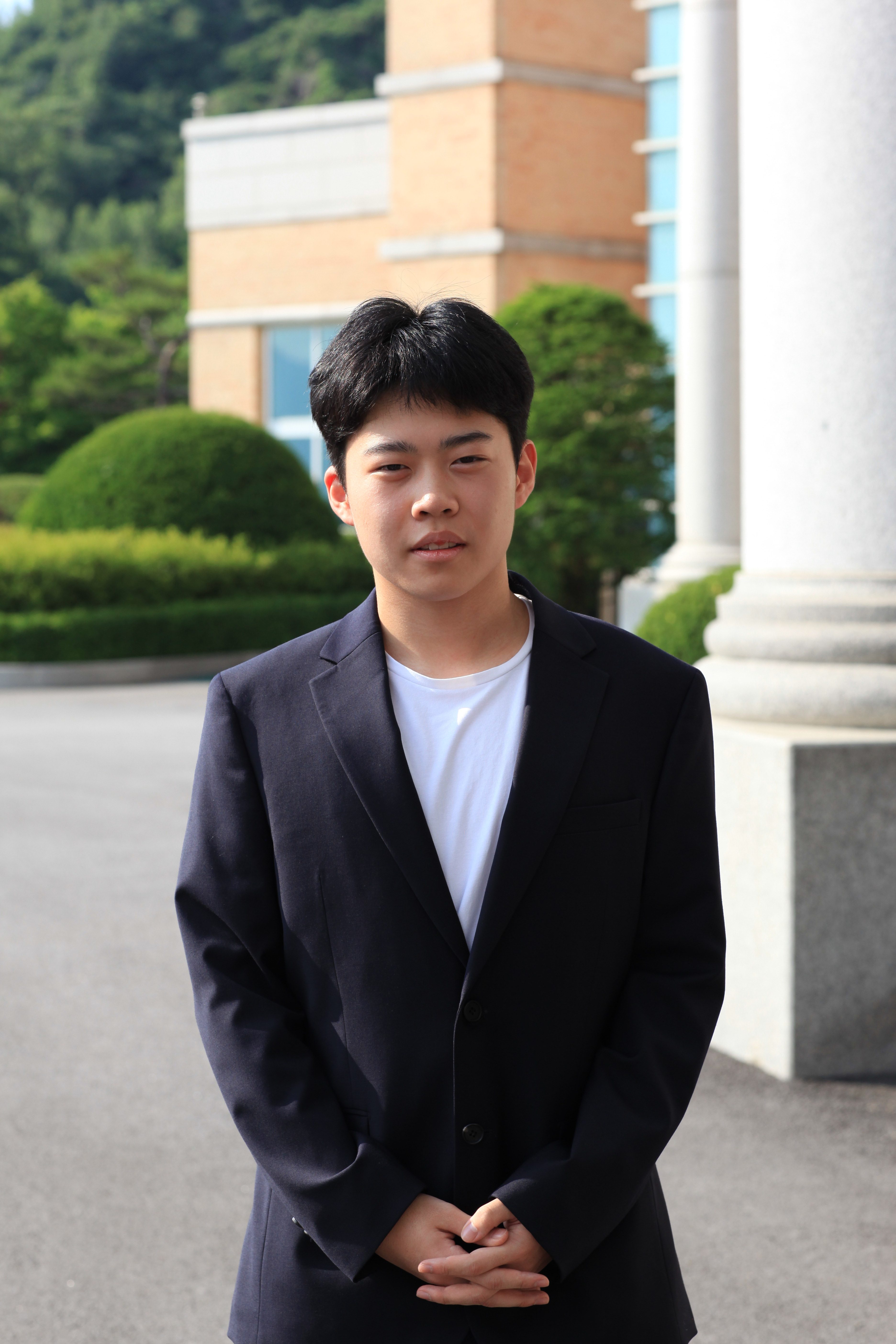
CHAIR – Sunu Jang
Greetings, esteemed delegates,
I am Sunu Jang, and it is my absolute honor to welcome you as a Co-Chair of the Security Council at CSIAMUN XIX.
Our agenda on regulating unmanned and AI-powered warfare in the Middle East touches on one of the most pressing threats to modern global security. Addressing the complexities of autonomous combat in the U.S.–Iran conflict will require strategic clarity, sharp negotiation, and an unyielding commitment to international law.
Model United Nations is a unique platform that goes beyond public speaking—it challenges you to think critically, navigate opposing geopolitical views, and collaborate on real-world solutions. Beyond the debate floor, it builds lifelong leadership skills and lasting connections with peers who share your passion for international affairs.
Alongside my fellow chair Sungchan Kim, I am committed to creating an inclusive, rigorous, and intellectually engaging committee experience. I encourage you to embrace every debate with confidence and diplomacy, and I look forward to seeing your leadership in action.
See you in February.
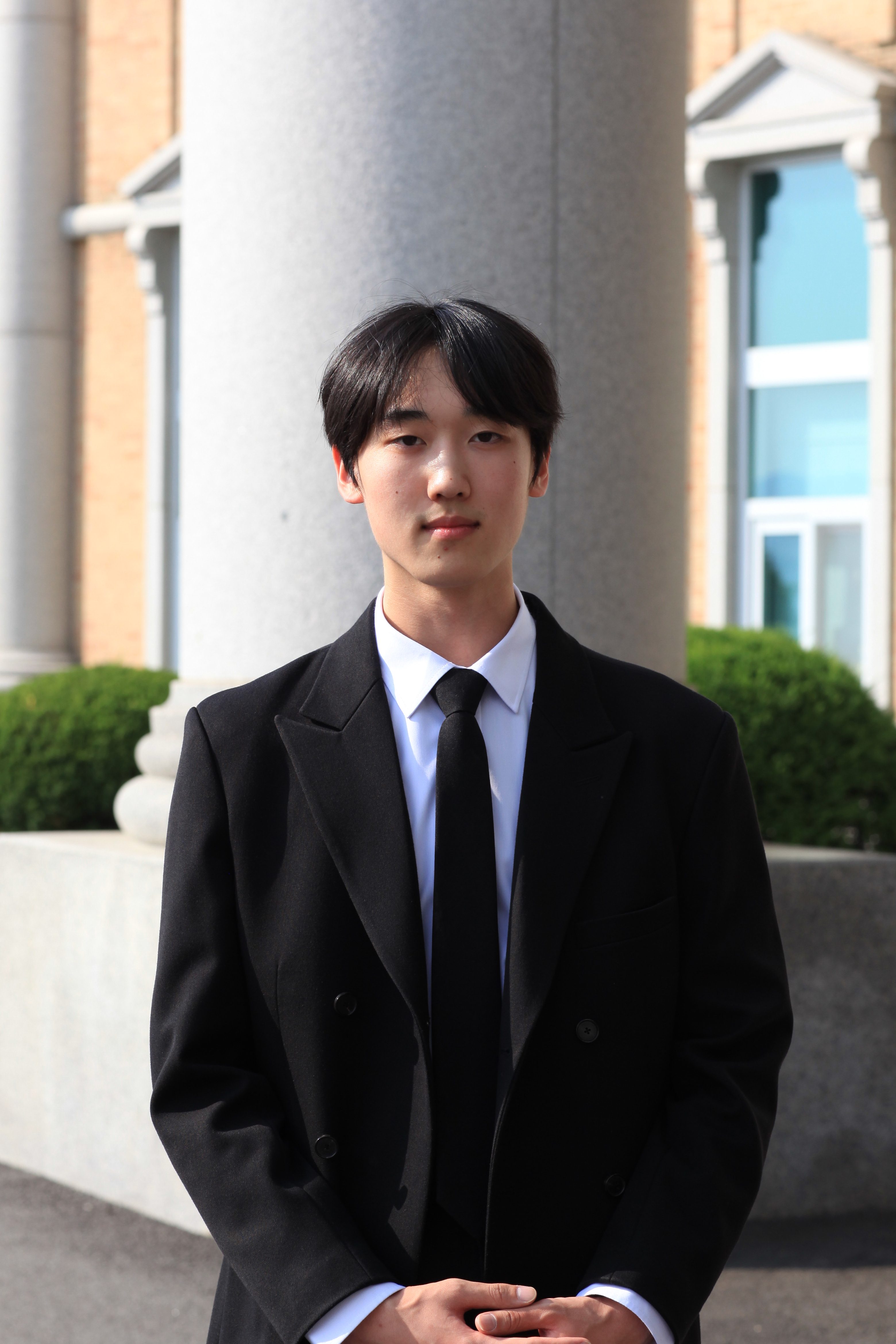
CHAIR – Sungchan Kim
Greetings, delegates!
It is truly an honor to serve as a Co-chair of the Security Council for this year’s CSIAMUN. My name is Sungchan Kim, a Second-year high school student at CheongShim International Academy.
Throughout the three days of the conference, delegates will engage in passionate debates and negotiations on some of the most pressing issues facing the international community. As a Co-chair, my goal is to create an environment where every delegate can confidently present their ideas, challenge different perspectives, and work together toward meaningful solutions.
I hope CSIAMUN will be more than just a conference, but an opportunity for delegates to broaden their perspectives and grow through meaningful interactions with others from around the world.
I am truly looking forward to seeing the unique ideas, passionate debates, and memorable moments that each of you will bring to the Security Council.
See you all in February!
Best regards,
Sungchan Kim

