
Committee Intro

The United Nations Educational, Scientific and Cultural Organization (UNESCO), established in 1945, is a specialized agency of the United Nations dedicated to building peace through international cooperation in education, the sciences, culture, and communication. Grounded in the conviction that political and economic agreements are not enough to build lasting peace, UNESCO strives to foster intellectual and moral solidarity among humanity.
At the heart of the organization lies its commitment to protecting World Heritage sites, safeguarding intangible cultural heritage, and defending fundamental human rights, including freedom of expression and equitable access to quality education. Guided by the principles of cultural diversity, scientific ethics, and free exchange of ideas, UNESCO ensures that global development is human-centered, inclusive, and sustainable.
With 194 member states, UNESCO serves as the premier global forum for educational and cultural governance. However, in recent years, the organization has faced mounting contemporary challenges—including rising political censorship, unequal access to quality education, ethical dilemmas surrounding artificial intelligence, and the protection of intellectual rights in the digital age. In response, calls for action emphasize the need for a modernized, resilient, and inclusive framework that preserves human dignity and creative expression for generations to come.
Agenda Intro
Agenda A:
Combating Book Censorship and Promoting Literary Freedom of Expression
Rising political polarization and ideological censorship around the globe threaten access to literature and diverse viewpoints. Delegates will discuss international strategies to combat book bans, protect academic independence, and uphold universal rights to literary expression.
Agenda B:
Ensuring Fair Compensation and Rights Protection for Creators in the Age of AI
The rapid rise of generative AI challenges traditional copyright, as training models frequently utilize creative works without fair consent or payment. Delegates will construct equitable governance structures that protect creators’ intellectual rights while encouraging technological innovation.
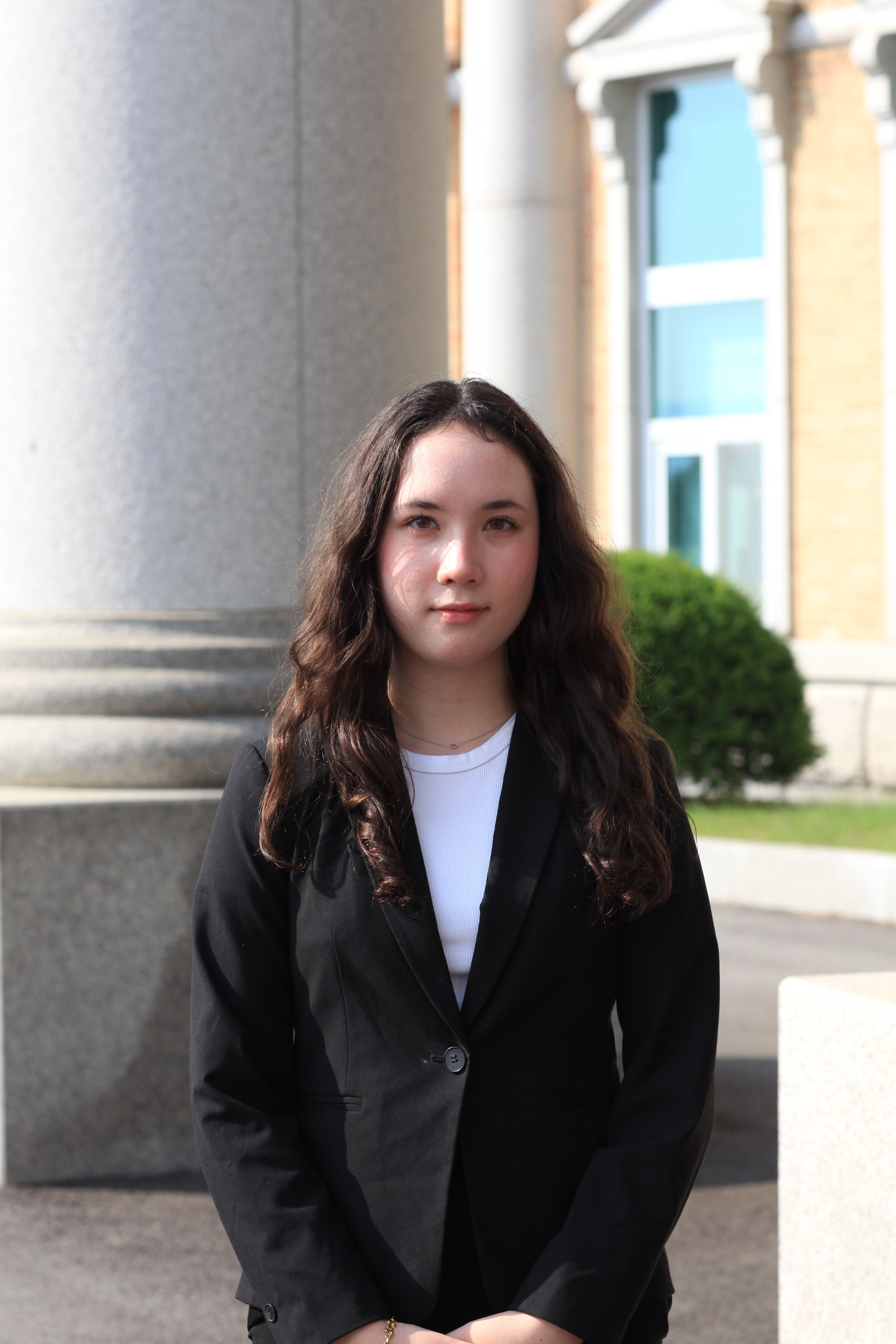
HEAD CHAIR – Mia Davis
Greetings, delegates!
My name is Mia Davis, and I am honored to serve as the Head Chair of UNESCO for this year’s CSIAMUN. I am truly looking forward to meeting all of you and seeing what you bring to the committee.
UNESCO deals with issues that extend far beyond the conference room. Education, culture, science, and the preservation of our shared heritage are deeply connected to the way societies understand themselves and one another. For this reason, I hope our discussions will go beyond simply representing national positions. I encourage you to question assumptions, examine the complexities behind each issue, and think critically about what meaningful international cooperation can actually look like.
As your Head Chair, I will strive to make our committee both intellectually challenging and genuinely engaging. I want delegates to leave the room not only with a resolution, but with a deeper understanding of the issues we discuss and of the diplomacy required to address them.
Come prepared to negotiate, to defend your country’s interests, and, perhaps most importantly, to think beyond the obvious.
I look forward to seeing what we accomplish together at CSIAMUN. See you all in February!
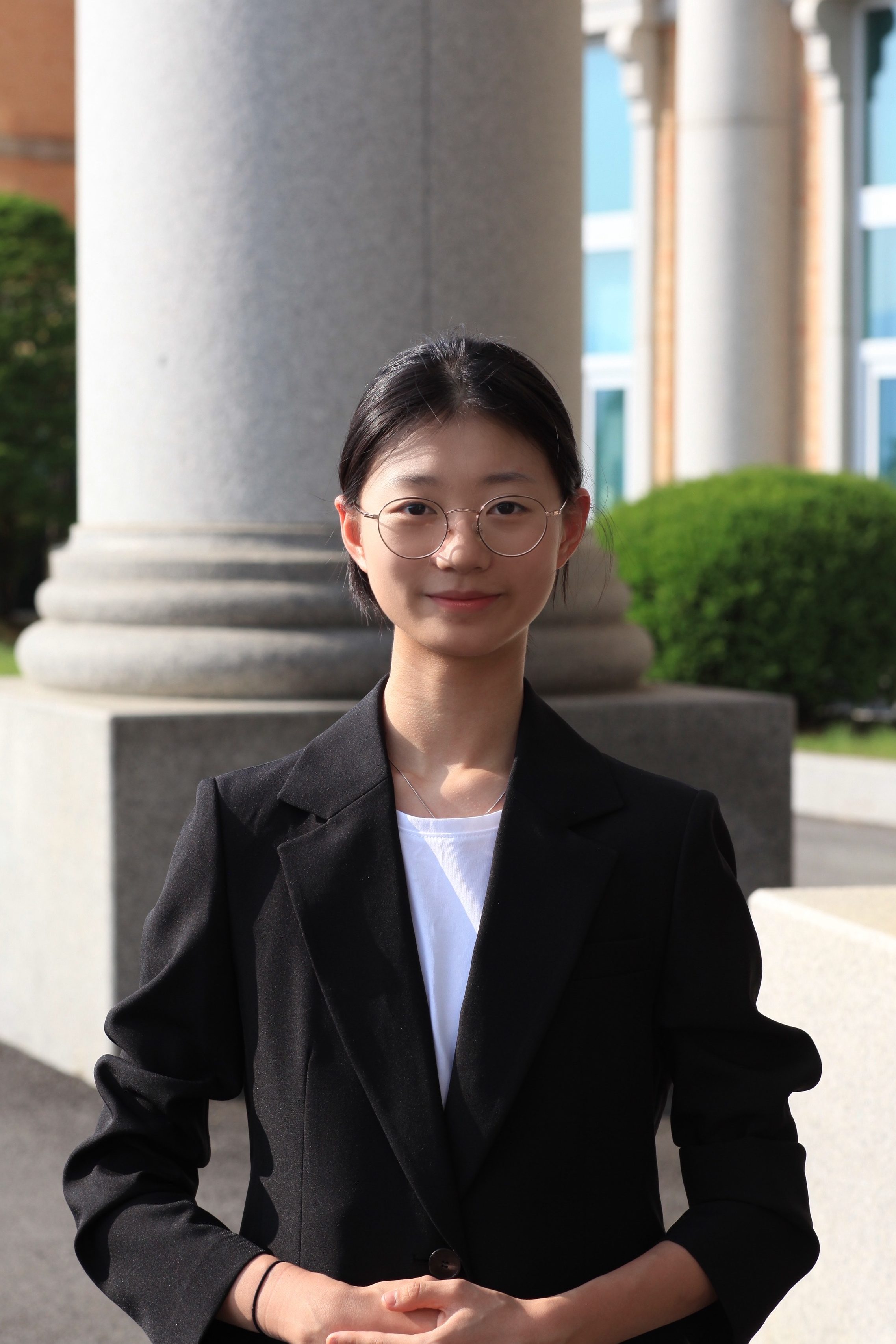
DEPUTY CHAIR – Yuha Oh
Greetings, delegates!
It is truly an honor to serve as your deputy chair of UNESCO for this year’s CSIAMUN. My name is Yuha Oh, and I am a freshman at CheongShim International Academy. I am very much looking forward to meeting all of you and experiencing the conference together.
Throughout the three days of the conference, I hope our committee will be a place where delegates can freely share their ideas, listen to different perspectives, and engage in meaningful discussions. As a Deputy Chair, I hope to support all delegates in creating a comfortable and welcoming environment where everyone can confidently participate.
Most importantly, I hope that we can create a committee where delegates can learn from one another, challenge themselves, and enjoy the process of working together toward meaningful resolutions.
I am looking forward to seeing all of your ideas and contributions, and I hope we can make these three days a memorable experience together.
I’ll see you all in Feburary!

